

Introduction
A Fire Extinguisher Mock Drill was conducted at Rohilkhand College of Nursing, Bareilly, on the 3rd of July 2026. The event aimed to educate and prepare the nursing college for emergency fire situations, enhancing the overall Extinguisher and response capabilities of the institution.
Objectives
- Assess the response mechanism of the first responders.
- Enhance coordination among the emergency support agencies.
- Create awareness among the staff about fire safety protocols.
Attended by:
- Chief Guest Mr. Anil Kumar
- Fire & Rescue Department personnel
- Chief Security Officer and team members
- Faculty members
- Students from all courses
- Non-teaching staff members
- Security in-charge
- Male and female security guards
- Supervisors
Fire Mock Drill Procedure Steps Followed:
- Identify Objectives: Determine the goals of the fire mock drill, such as testing evacuation procedures, assessing response times, and evaluating emergency protocols.
- Develop an Evacuation Plan: Outline a clear evacuation plan.
- Educate Faculty and Students: Conduct sessions to educate all faculty and students about the evacuation plan and fire safety measures.
- Conduct a Fire Drill: Execute the fire drill to validate the evacuation plan.
- Gather Feedback for Improvement: Encourage feedback and suggestions to improve the plan.
- Regular Fire Drills: Schedule and conduct regular fire drills to ensure ongoing preparedness.
Event Highlights
- Introduction: The session commenced with an introduction by the Chief Security Officer, who emphasized the importance of fire safety and preparedness.
- Chief Guest Address: Mr. Anil Kumar delivered a keynote address on fire safety, stressing the importance of proactive measures and preparedness in preventing and managing fire emergencies.
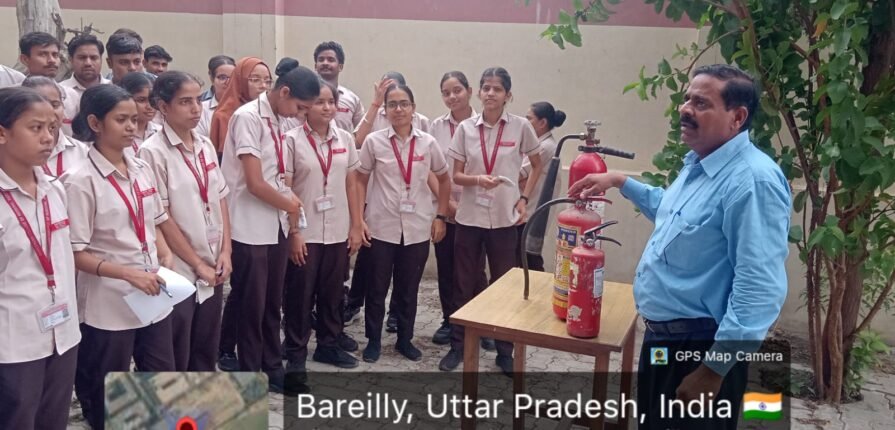
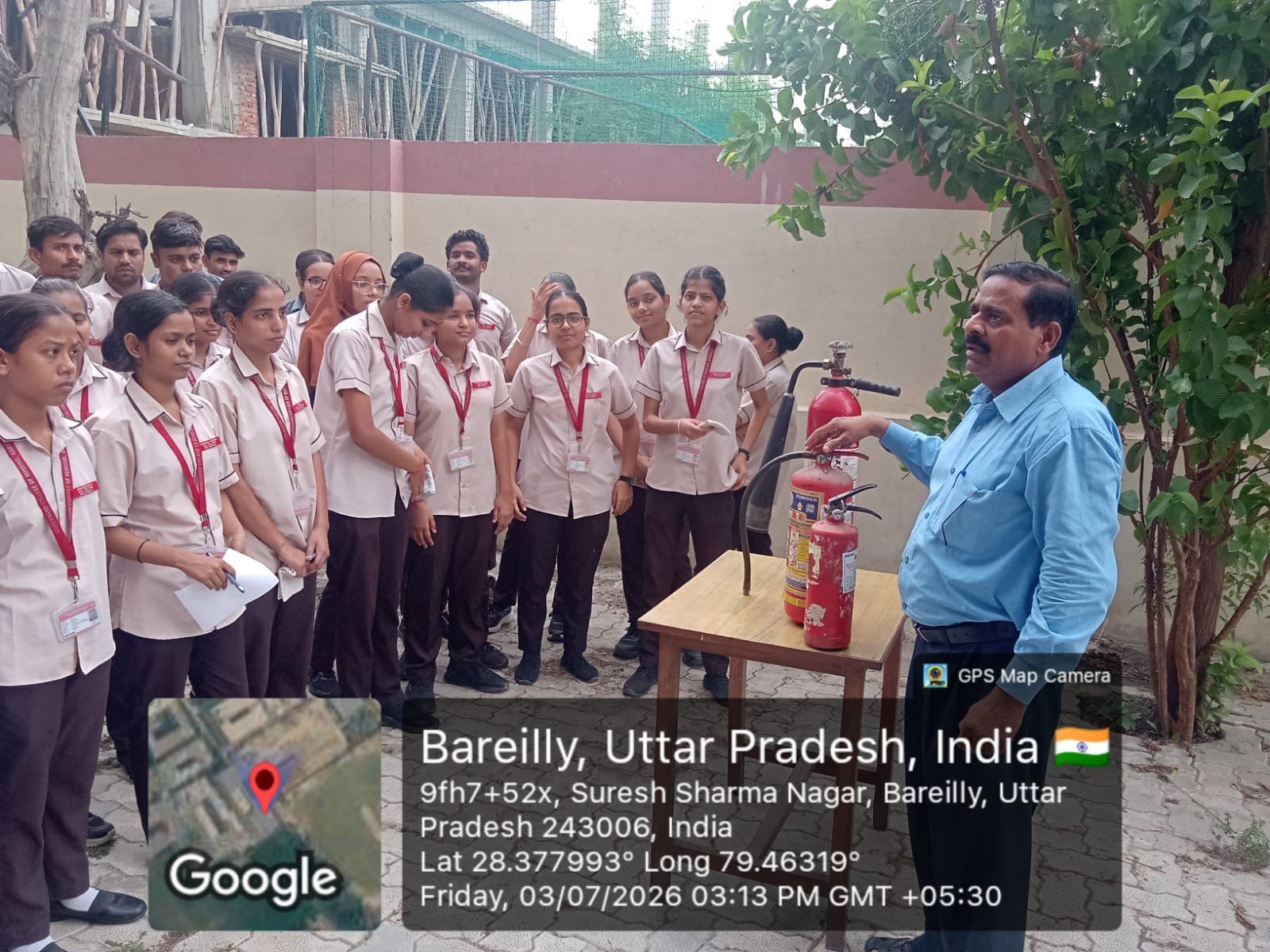
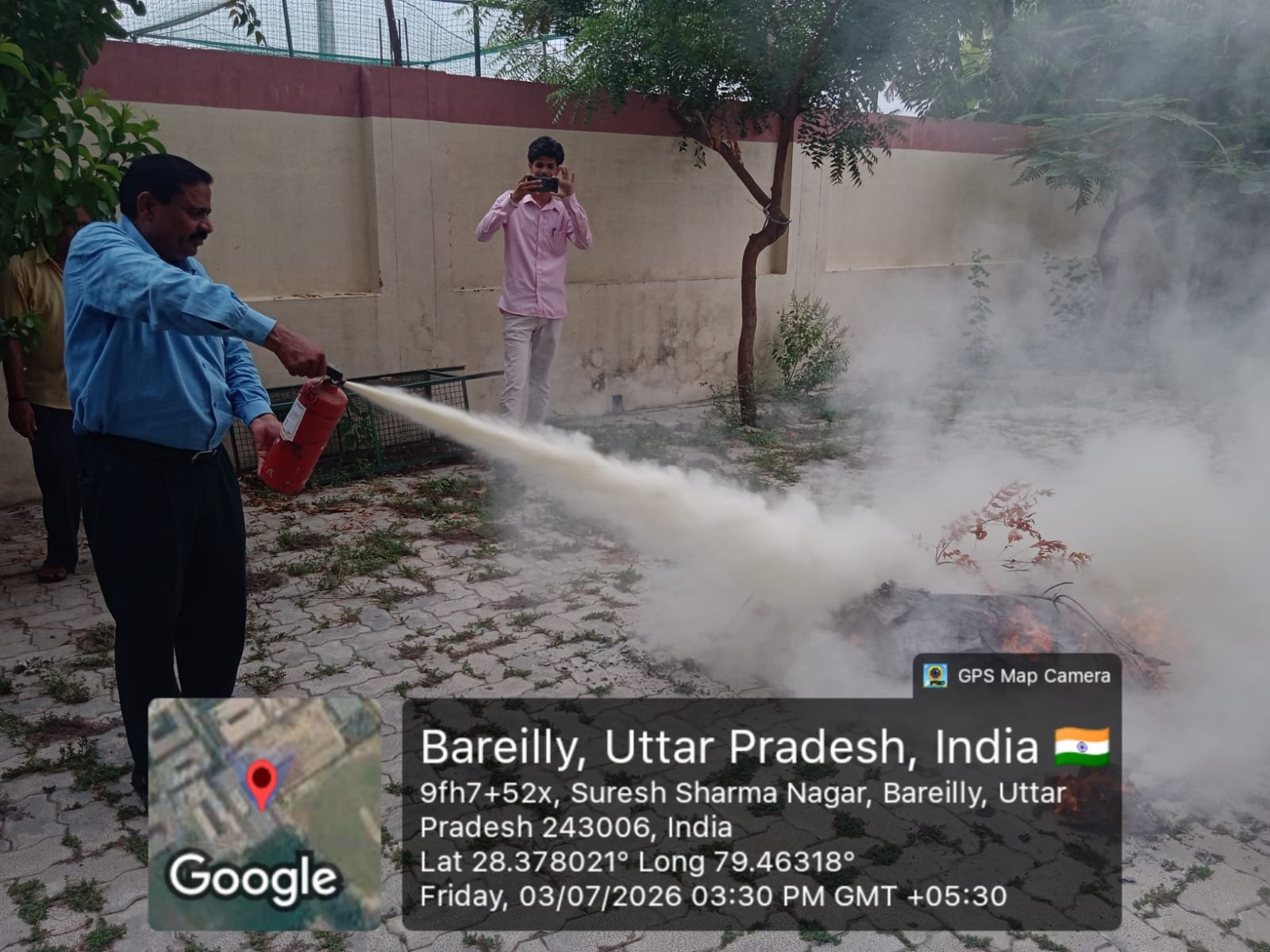
- Demonstration: The Fire & Rescue Department personnel demonstrated the use of firefighting equipment and shared preventive measures to follow during a fire breakout.
- Participation: Faculty members, students, and non-teaching staff participated energetically in the drill with great enthusiasm.
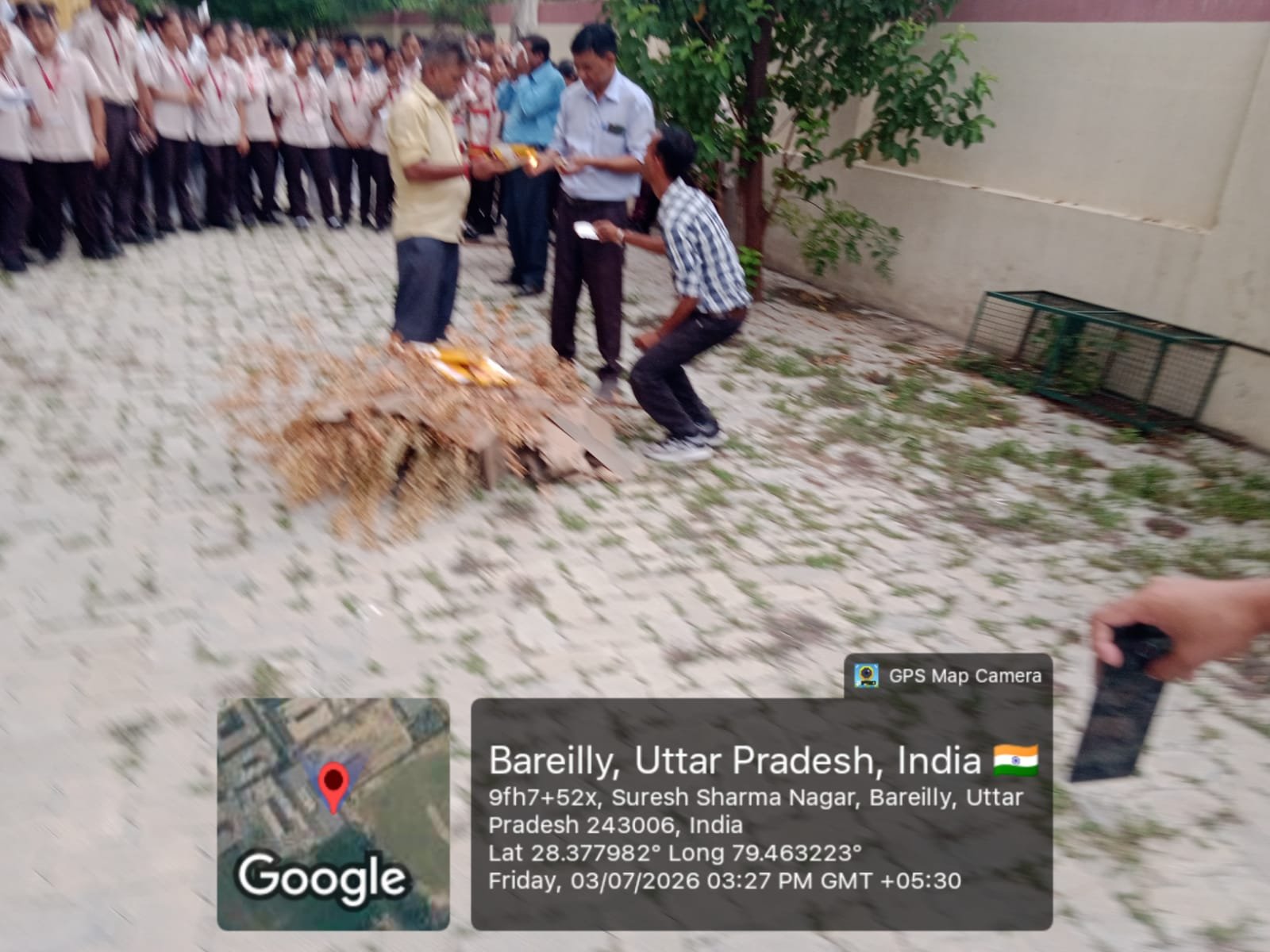
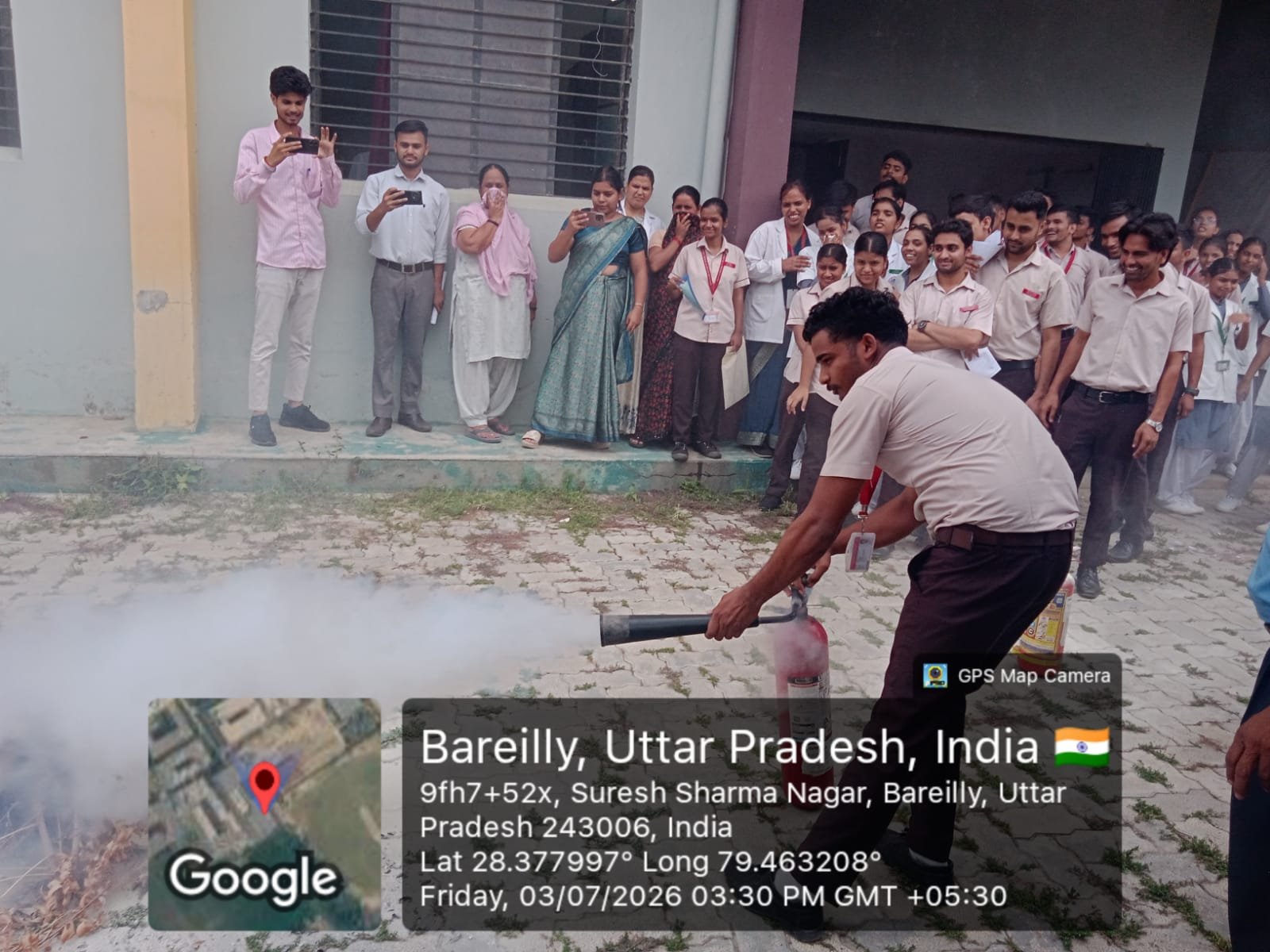
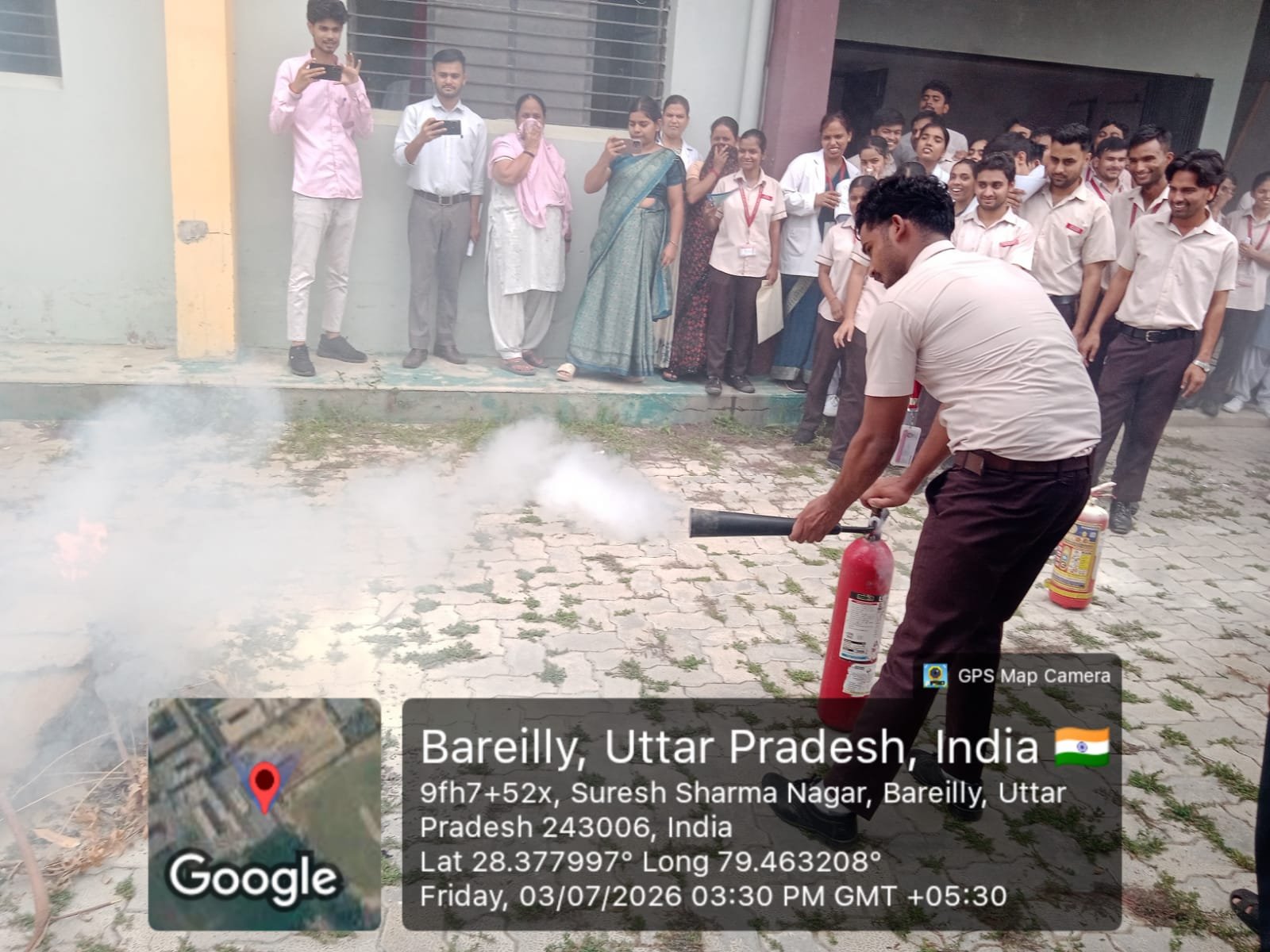
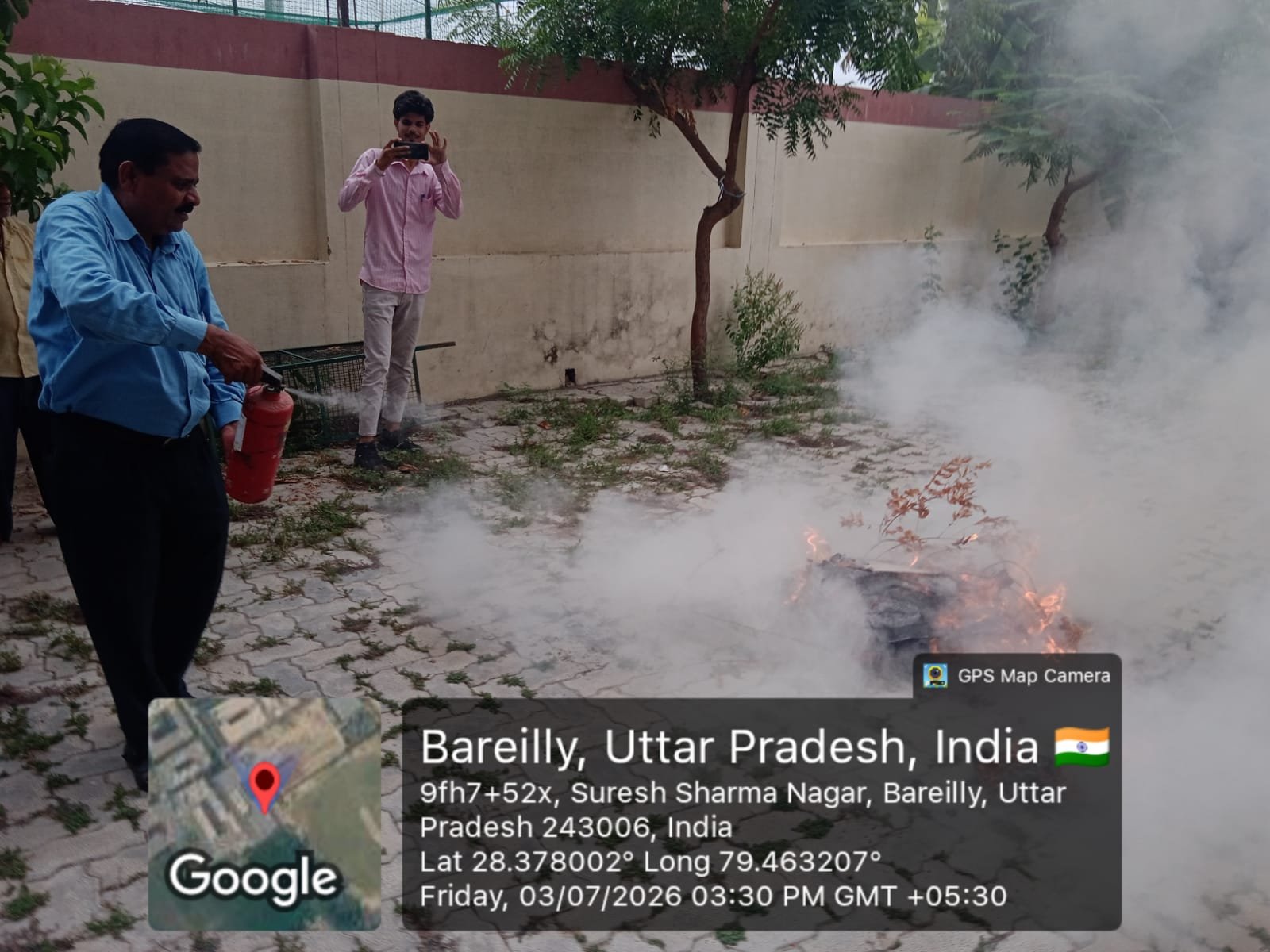
- Training: Participants received hands-on training in using fire extinguishers and other firefighting equipment. Selected participants operated the fire extinguishers independently to understand their functionality.
- Awareness Session: The Chief Security Officer and Fire & Rescue Department personnel shared simple and effective fire safety guidelines, explaining the different types of fires (A, B, and C) and the appropriate measures to tackle each type.
- Feedback and Improvement: The session included a discussion on feedback and ways to enhance fire safety measures within the college.
Outcome of the Drill
The drill was successful in meeting its objectives, with participants demonstrating a good understanding of fire safety protocols and evacuation procedures. Areas for improvement were identified, particularly in optimizing evacuation routes and communication during emergencies.
Participant Feedback
Participants provided positive feedback on the hands-on training and the clarity of safety instructions. Suggestions for improvement included more frequent drills and additional training on specific fire scenarios.
Future Recommendations
- Conduct more frequent fire drills to reinforce preparedness.
- Update and review evacuation plans regularly based on feedback and drill outcomes.
- Provide additional training focused on specific types of fires and advanced firefighting techniques.
Acknowledgments
We extend our sincere thanks to Mr. Anil Kumar the Fire & Rescue Department personnel, the Chief Security Officer and their team, and all participants for their invaluable contributions to the success of the drill.
Leave a Reply